Two ways to describe the same sky
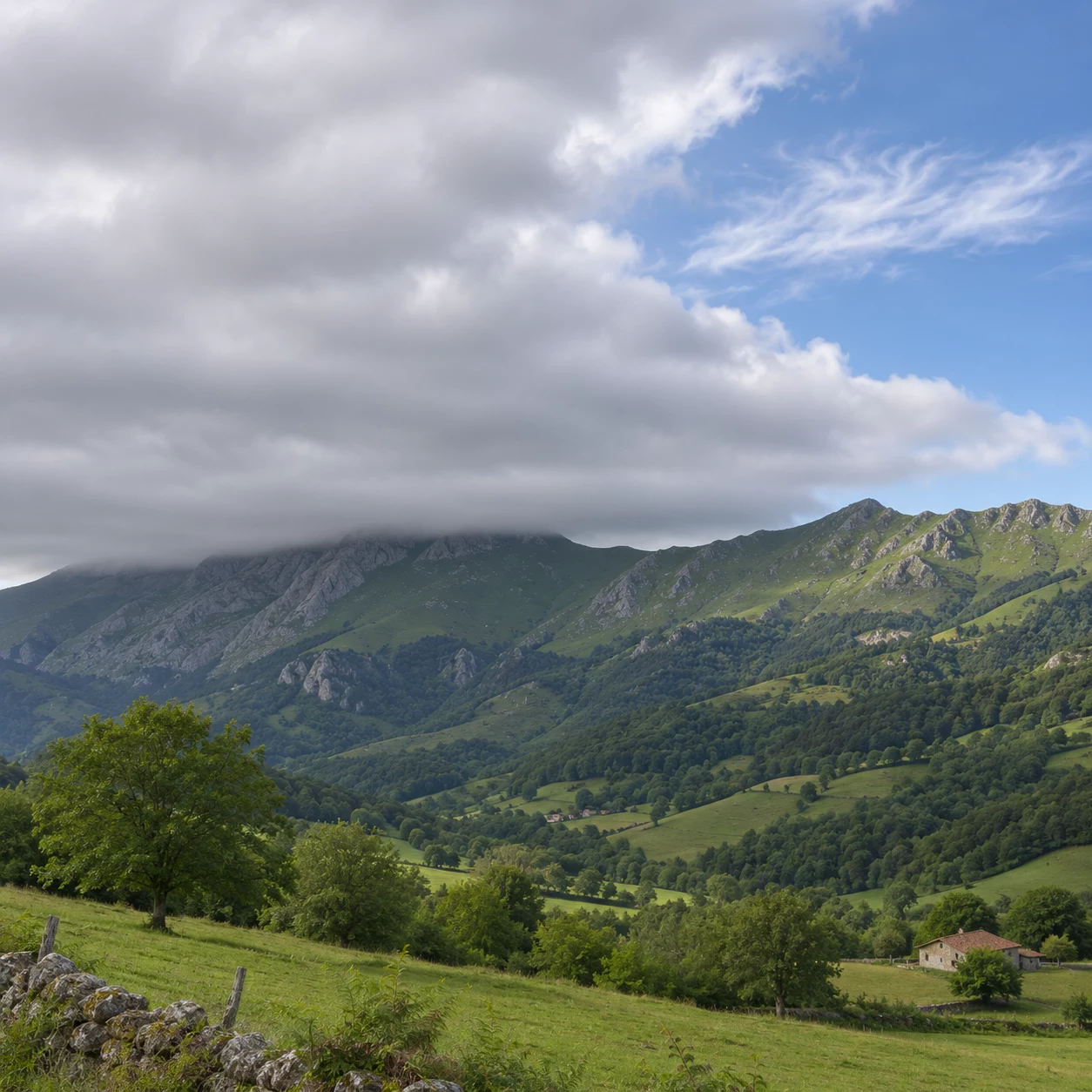
Picture a hillside with a few wisps of cloud on the slopes and a broad grey layer above. The wisps have the lower base, while the broad layer may set the ceiling. The base is the bottom of each cloud layer. Cloud cover tells you how much of the sky that layer occupies. A mostly clear sky can contain low clouds, and an overcast sky can have a high cloud base.
A worked METAR example
An aerodrome report reading SCT012 BKN025 OVC060 describes scattered cloud based at 1,200 feet, a broken layer based at 2,500 feet and an overcast layer based at 6,000 feet. The ceiling is 2,500 feet, about 760 metres above the aerodrome, because BKN025 is the lowest broken or overcast layer. The numbers give heights in hundreds of feet above the reporting site.
Check what the height is measured from
If the aerodrome is 300 metres above sea level, a cloud base 760 metres above it is about 1,060 metres above sea level at that location. Check the time and location of the observation before comparing that figure with a summit elevation. The base can vary from one valley to the next. If thick fog completely obscures the sky, the report may give vertical visibility using the code VV.
Source and METAR examples: National Weather Service.