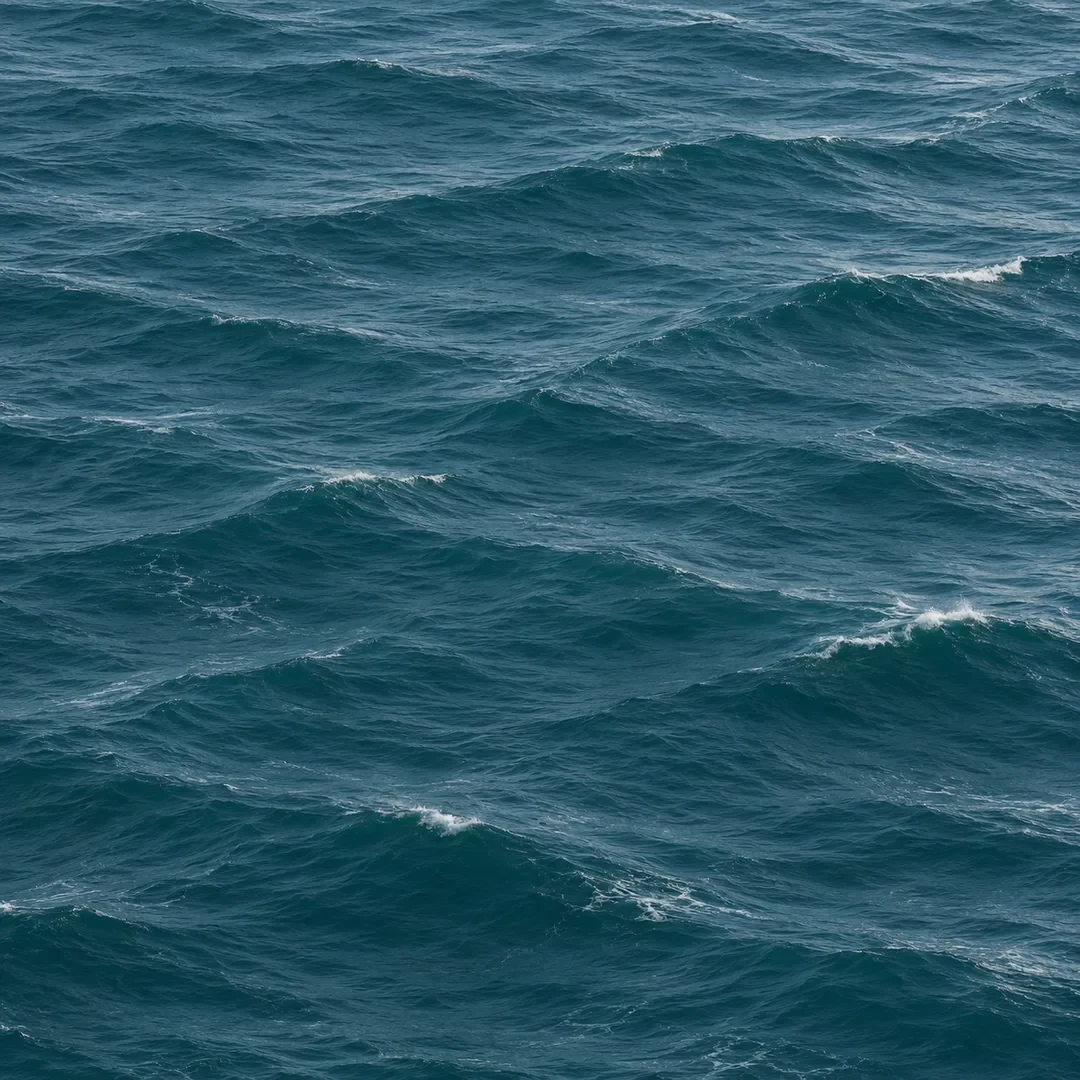
Two wave systems at once
A crossing sea forms when waves from different directions pass through the same patch of water. A wind shift can build fresh waves while the older ones are still passing through. Swell from a distant weather system can also meet waves raised by the local wind. Crests may cross at an angle, and the pattern shifts as the wave groups move on.
Read each wave component
Look for wind waves and primary and secondary swell. Write down the height, period and direction each comes from. A westerly swell of 1.2 m at 12 seconds can meet northerly wind waves of 0.7 m at five seconds. Combined significant wave height describes the sea state as a whole. The separate periods tell you that several shorter waves can pass between longer crests, and the directions tell you which sides they come from.
Check your course and timing
Compare both directions with your outward and return headings and check when the wind is forecast to turn. On a small boat, one system can lift the bow while the other makes the boat roll. Near a harbour entrance or bar, check local currents and warnings too. If a forecast gives only the combined height, find a bulletin that separates the wave systems before deciding.